
Your Deck Protector Has Arrived
There is a pretty good chance your deck has been working harder than you have lately.
Every summer, it sits out in the Maryland heat and humidity. It takes the rain, the wind, the leaves, the snow and the occasional forgotten flowerpot. The sun beats down on it all afternoon, then a storm rolls through and soaks it. Winter comes along, temperatures drop, moisture freezes, and eventually spring arrives and starts the whole cycle over again.
You get to go inside.
Your deck doesn't.
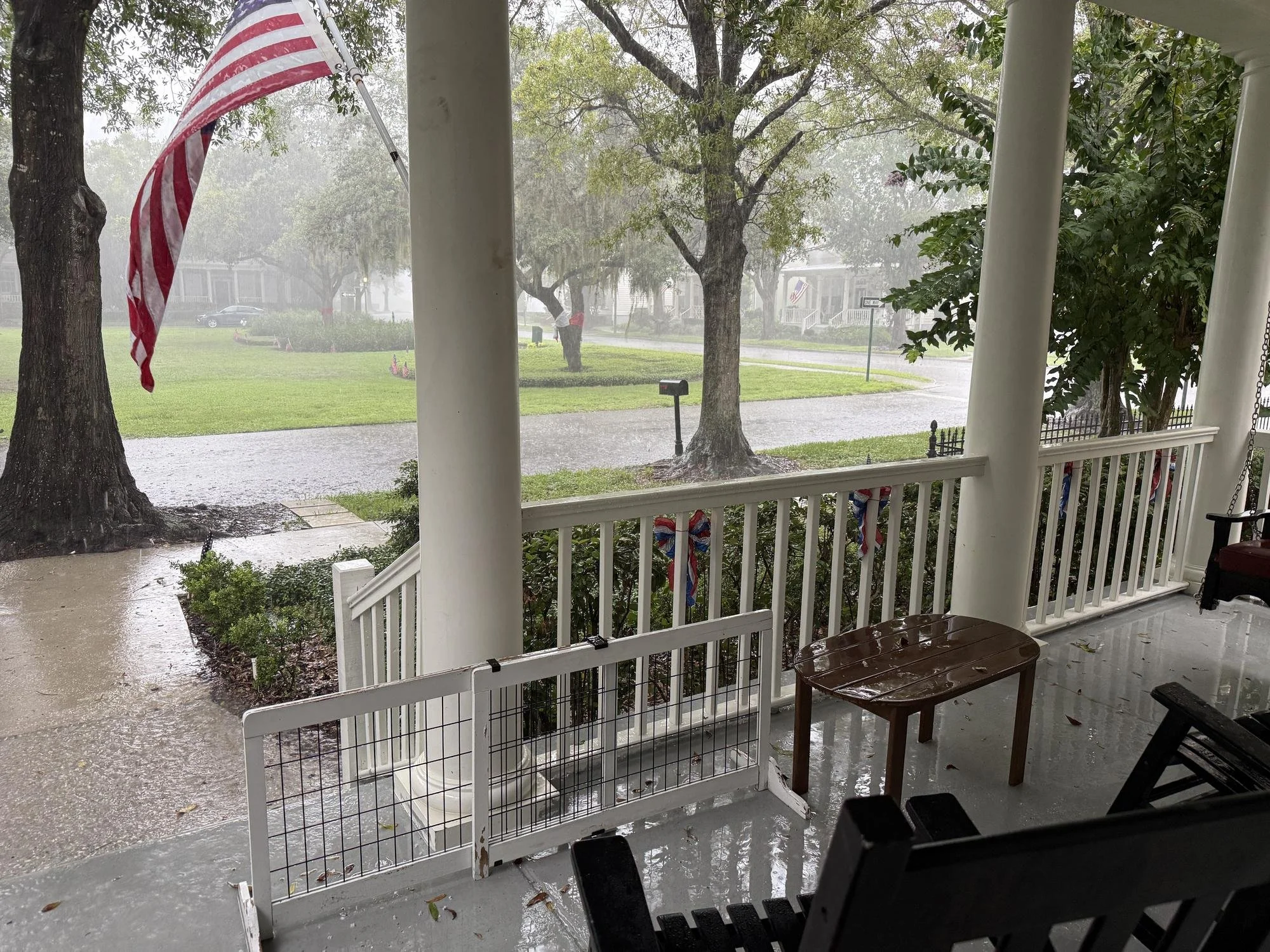
A heavy Maryland thunderstorm moves over a suburban home, with rain pouring onto a backyard deck as wind blows through the surrounding trees. The soaked deck and outdoor furniture show just how much a home's exterior has to endure through Maryland's changing weather.
That may sound a little dramatic, but when you live in Maryland, your outdoor spaces really do spend their entire lives exposed to the elements. And if you live around Bel Air, Fallston or anywhere else in Harford County, there is a surprisingly long weather record behind that statement.
Maryland Has Been Keeping Track
The Maryland State Climatologist's Office has historical temperature and precipitation data going back to 1895. That's more than 130 years of records showing just how much our weather can vary from one year to the next. The data is available not only for the state as a whole, but for individual counties, including Harford County.
That is a lot of weather.
And when you look through those records, you begin to appreciate what an outdoor structure in Maryland has to put up with. We have hot summers, cold winters, significant rainfall, periods of drought, strong thunderstorms, winter storms and the occasional tropical system moving inland from the Atlantic.
Maryland's location makes things particularly interesting. The Chesapeake Bay, Atlantic Ocean and surrounding land all influence the state's climate, while the state's geography stretches from the coast all the way into the Appalachian region.
So when somebody says, "It's just weather," your deck might disagree.
Your Deck Has a Long List of Enemies
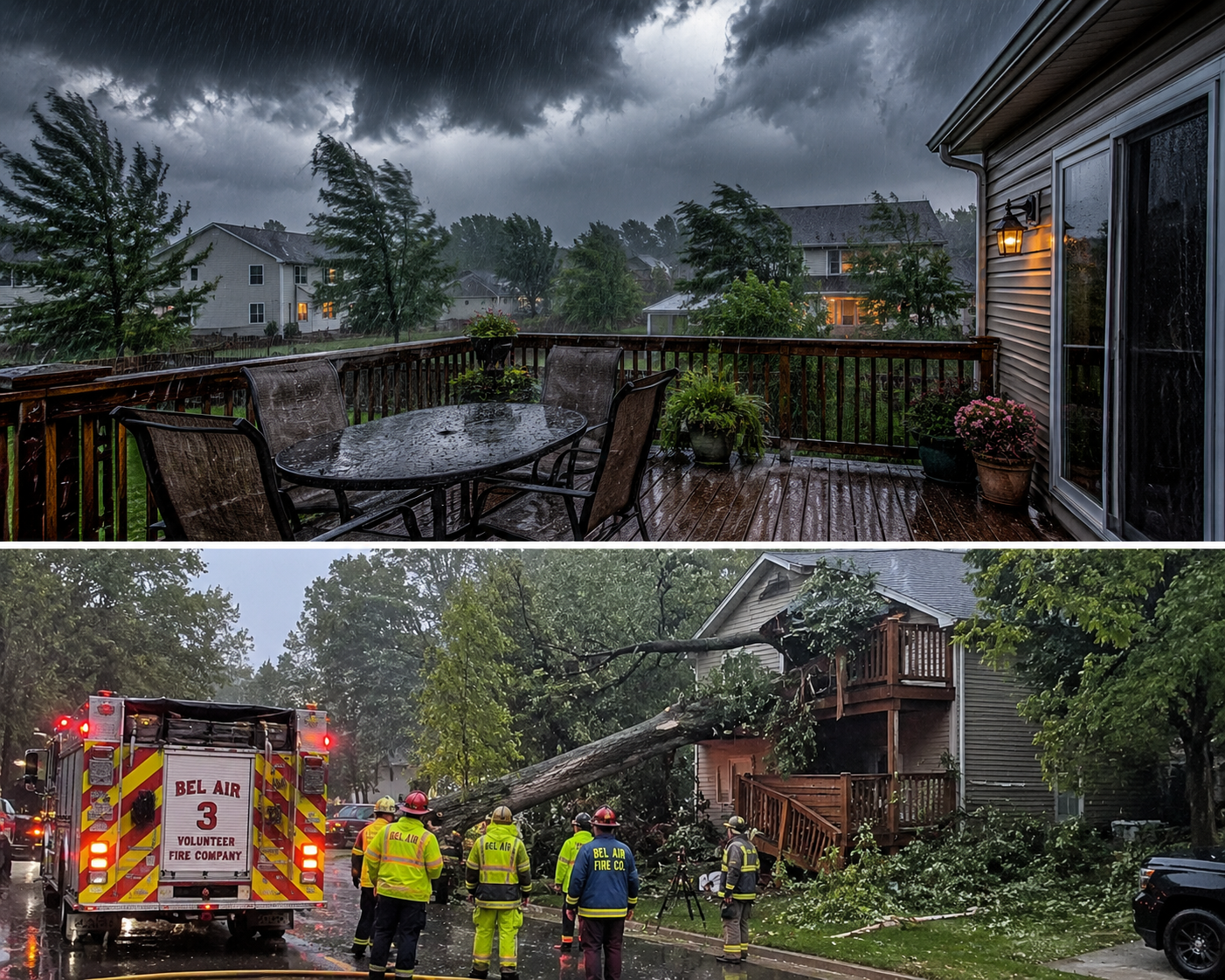
A fallen tree crashes onto a residential deck during a severe storm in Bel Air, Maryland, while emergency crews respond in the rain. The scene illustrates how quickly severe weather can damage the outdoor spaces and structures around a home.
The funny thing about weather damage is that it usually doesn't happen all at once.
A hurricane or major storm can certainly cause immediate damage, but most decks and porches don't deteriorate because of one terrible afternoon. More often, it is the accumulation of hundreds of ordinary days.
Rain gets into the wood. The sun dries it out. Humidity keeps everything damp. Temperatures rise and fall. A finish gradually wears away. Water finds a place where the protection has weakened. A board begins to weather. A railing gets a little loose. Paint starts to peel.
None of those things necessarily seems like an emergency.
Then one day you walk outside and realize your deck looks considerably older than you remember.
That's Maryland weather doing what Maryland weather does.
And Maryland Has Had Some Serious Weather
Our state's weather history includes some events that make a weathered deck seem like a fairly small concern.
Tropical Storm Agnes in 1972 is one of the most famous examples. Agnes brought extraordinary rainfall and flooding to Maryland, with some areas receiving more than ten inches of rain and some locations receiving more than fourteen inches. The flooding caused widespread destruction throughout the state and affected communities in the region, including Harford County.
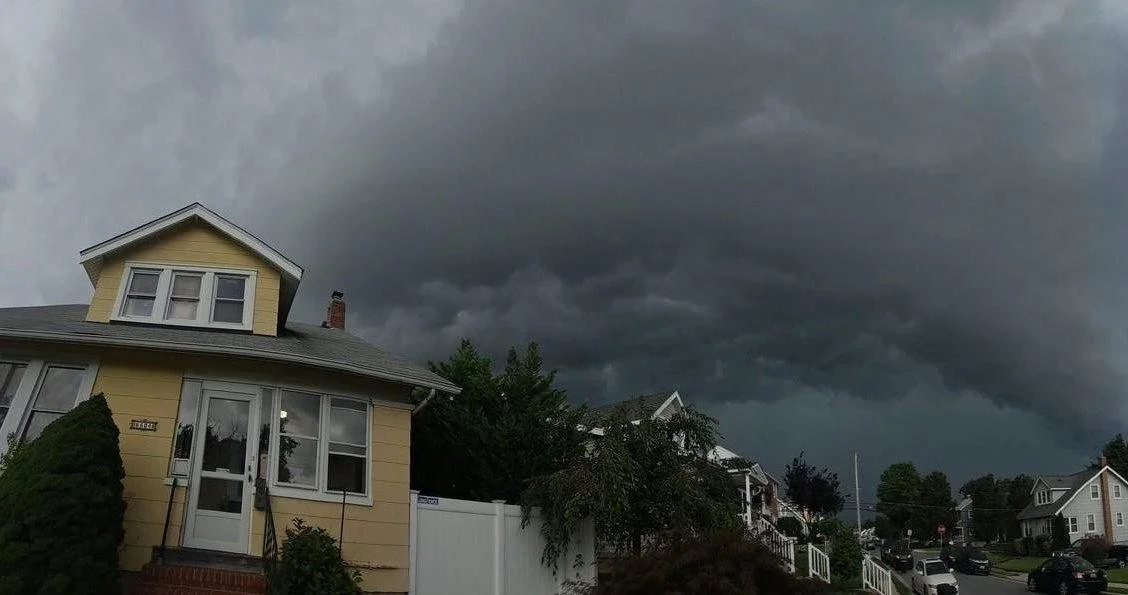
Maryland has a long history of weather that means business. From the hurricane of 1933 that pushed damaging winds and flooding up the Chesapeake Bay, to Hurricane Hazel in 1954 and the devastating rains of Agnes in 1972, major storms have repeatedly left their mark on Maryland homes and communities. Today, the Maryland State Climatologist’s Office continues a record that stretches back to 1895, documenting the temperature, precipitation and extreme weather that our homes have endured for generations.
Obviously, your deck is not being asked to survive Tropical Storm Agnes every year.
But storms don't have to be historic to affect a house. A heavy summer thunderstorm, several days of rain or a period of unusually wet weather can all contribute to the moisture exposure that outdoor wood experiences over and over again.
NOAA's records show that Maryland has experienced dozens of major weather and climate disasters in recent decades. Between 1980 and 2024, NOAA counted 85 billion-dollar weather and climate disaster events affecting Maryland, including severe storms, tropical cyclones, winter storms, flooding and drought.
That's not meant to scare you into replacing your deck.
Actually, quite the opposite.
It is a good reminder that the exterior of your house has a pretty difficult job.
Your Deck May Not Need to Be Replaced
This is where things get interesting.
When homeowners see an old, gray or weathered deck, it is easy to assume that the only answer is to tear it out and build a new one. Sometimes replacement really is the right choice. But a weathered appearance does not automatically mean that a deck has reached the end of its useful life.
Sometimes the boards are still in good condition but have simply lost their finish. Sometimes a few boards need to be replaced while the rest of the deck can remain. Sometimes the railings or stairs need attention. Sometimes the entire surface just needs to be properly cleaned, sanded and refinished.
That is where deck renewal can make a surprisingly big difference.
A good refinishing job can bring back the appearance of older wood, while staining and sealing can give the surface another layer of protection against the weather. Repairing problem areas at the same time can make much more sense than waiting until a small repair becomes a major project.
In other words, before you decide that your deck is finished, it may be worth having somebody take a closer look.
Your Porch Is Taking the Same Beating
The deck gets most of the attention, but your porch is dealing with many of the same problems.
Paint can fade and peel. Wood can become weathered. Railings and steps can need repair. Areas that are constantly exposed to rain and sunlight can age faster than protected parts of the house.
Sometimes a porch simply needs to be brought back to life.
Sanding, painting, staining and sealing can dramatically change the appearance of an older porch. A few repairs can address the places where weather has already started to cause trouble.
And because the porch is one of the first things people see when they arrive at your home, keeping it in good condition does more than protect the wood. It changes the way the entire house looks.
What About the Rest of the House?
Once you start looking at your home through the eyes of Maryland weather, you may notice that the deck isn't the only thing that could use some attention.
Exterior trim gets weathered. Concrete develops cracks and surface deterioration. Railings loosen. Paint wears away. Windows and doors need maintenance. Small exterior repairs accumulate.
That is actually one of the things we like about home improvement work.
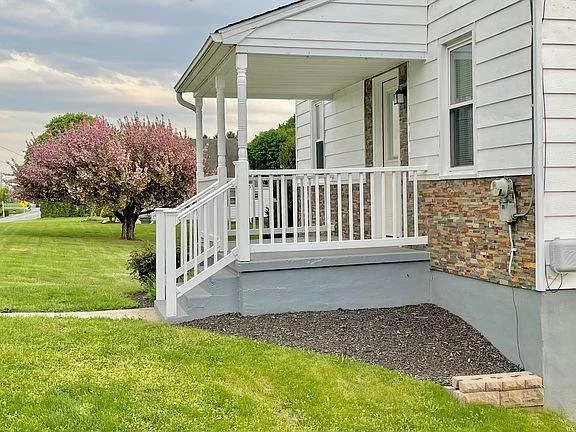
A homeowner may call because the deck needs refinishing, but while we're there, we may find that the porch needs painting or a railing needs repair. Maybe there is some concrete work that has been waiting for attention, or another small repair that has been sitting on the homeowner's list for the last year.
Those projects may not be big enough to justify a major renovation, but they still deserve to get done.
And eventually, you would really like to stop walking past them.
The Weather Is Changing, Too
There is another piece of the story that is worth knowing. Maryland's long-term climate records show changes in temperature and precipitation over time. The Maryland State Climatologist's Office uses NOAA data dating back to 1895 to track those trends, including temperature and precipitation patterns for individual counties.
The point isn't that every Maryland winter is getting warmer or that every summer will be wetter. Weather varies tremendously from year to year.
The bigger picture is that Maryland homeowners are living with a climate that includes considerable variability, changing temperatures and periods of intense precipitation. NOAA's state-level disaster records also show that severe storms, tropical systems and winter weather continue to create significant impacts.
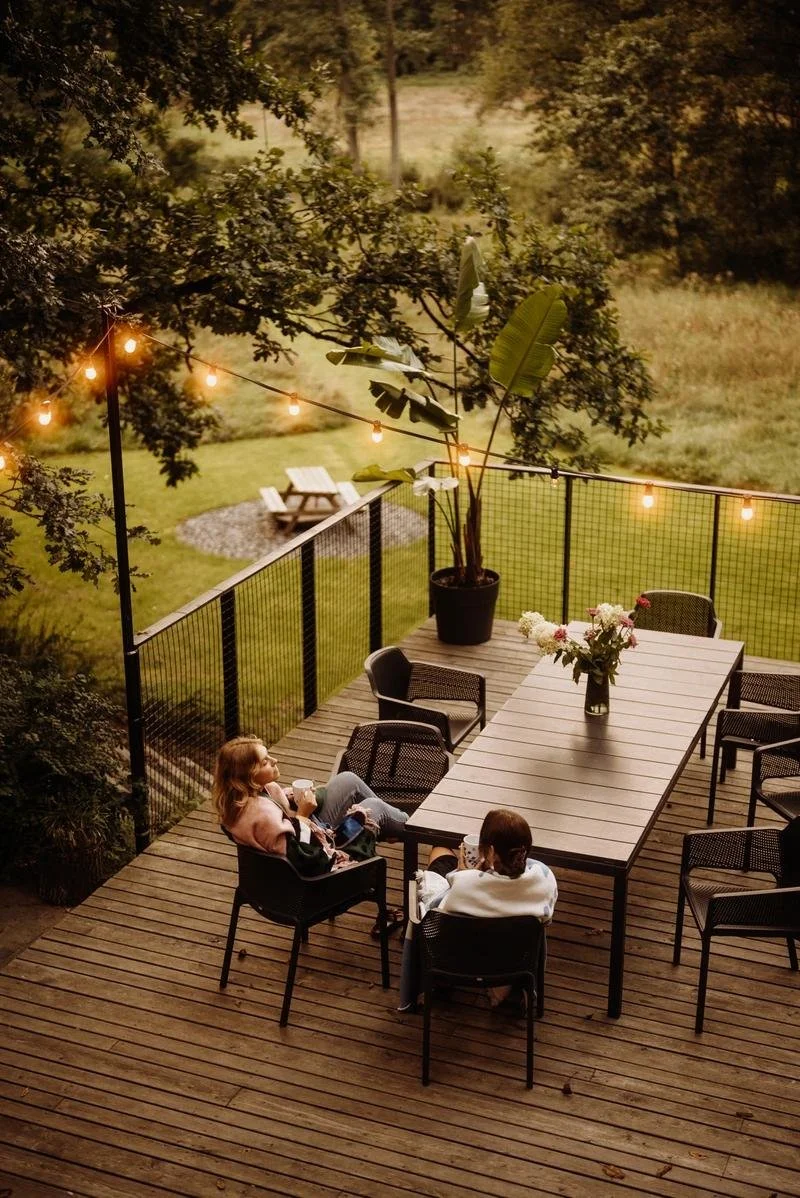
Your house has to deal with all of it.
That's why regular maintenance matters.
So, Who Is Protecting Your Deck?
Well, that's where we come in.
At Murphy & Company, we work on the parts of your home that often fall somewhere between a major renovation and the "I'll get around to it eventually" list.
Deck refinishing. Deck staining. Deck repair. Porch restoration. Exterior painting. Concrete restoration. Railings. Glass block windows. General home repairs.
Sometimes the job is one thing.
Sometimes you have a list.
We can work through the list with you and figure out which projects need attention now, which can wait, and which may simply need some maintenance rather than complete replacement.
Because the goal isn't always to build something new.
Sometimes the goal is to protect what you've already got.
And your deck has been outside through enough Maryland weather to deserve a little help.
So consider us your deck protector.
Your Deck Protector has arrived.
And if you've got a porch, a little concrete work, a railing, some exterior painting or a few other projects waiting on that same list, bring those along too.